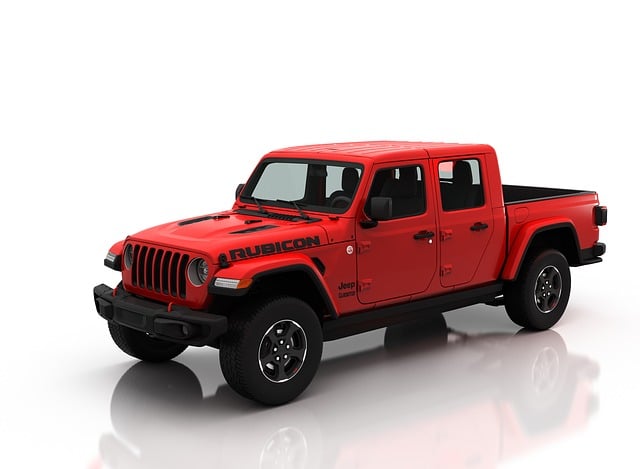
Axle assemblies in Edinburg 4×4 vehicles connect wheels to drivetrains, enabling off-road performance. Regular maintenance, including inspecting and lubricating components, prevents issues like worn U-joints and weakened bearings. Diagnosing axle problems involves visual inspections and tools for accurate repair. Replacing components requires correct model-specific parts, proper disassembly, and reinstallation. Consider drivetrain type, ground clearance, and weight for optimal Edinburg 4×4 repair. Regular lubrication, inspections, and cleaning ensure assembly longevity in challenging off-road conditions.
Axle assemblies are critical components of any vehicle, especially off-roaders like the Edinburg 4×4. They enable smooth power transfer from the engine to the wheels, facilitating maneuverability and control on rough terrain. This comprehensive guide delves into the intricacies of axle assemblies, addressing common issues encountered in Edinburg 4x4s. From understanding basic functions to diagnosing problems, replacing components, choosing the right parts, and maintenance tips, this article equips owners with the knowledge for effective repair and longevity.
- Understanding Axle Assemblies: Basics and Function
- Edinburg 4×4: Common Axle Assembly Issues
- Diagnosing Axle Problems: Tools and Techniques
- Replacing Components: Step-by-Step Guide
- Choosing the Right Axle Assembly Parts
- Maintenance Tips for Longevity and Performance
Understanding Axle Assemblies: Basics and Function

Axle assemblies are fundamental components in vehicles, especially those designed for off-road adventures and rugged terrain, like those seen at Edinburg 4×4 repair shops. These assemblies facilitate the connection between the wheels and the drivetrain, enabling power transfer during motion. Comprising several key parts, such as gears, shafts, bearings, and seals, each plays a crucial role in ensuring smooth and efficient rotation.
The basic function of an axle assembly is to rotate, supporting the weight of the vehicle while allowing for movement across different surfaces. Whether it’s navigating tight corners or traversing challenging trails, these assemblies must withstand stress and wear. Regular maintenance and understanding their inner workings are essential for Edinburg 4×4 owners to ensure optimal performance and longevity, keeping their vehicles ready for any outdoor exploration.
Edinburg 4×4: Common Axle Assembly Issues

The Edinburg 4×4, a popular choice among off-road enthusiasts, is renowned for its ruggedness and reliability. However, like any vehicle, it’s not immune to mechanical issues, particularly when it comes to axle assemblies. Common problems include worn out or damaged U-joints, which can cause shaking or a whining noise while driving, indicating an imbalance in the power distribution. Axle bearings are another critical component; wear and tear over time can lead to excessive play and eventual failure, resulting in costly repairs for Edinburg 4×4 owners.
Regular maintenance is key to preventing these issues. Inspecting and lubricating U-joints, as well as checking axle bearing integrity, should be part of every routine service. Early detection of these problems can save owners from more significant damage and expensive Edinburg 4×4 repair bills. Staying on top of maintenance ensures this iconic off-roader continues to deliver the powerful performance its drivers expect.
Diagnosing Axle Problems: Tools and Techniques

Diagnosing axle problems in your Edinburgh 4×4 vehicle requires a systematic approach and the right tools. Start by inspecting the visible components for any signs of damage, wear, or misalignment. Look for cracks, excessive play, or loose parts, as these could indicate issues with bearings, seals, or the axle housing itself.
Next, use specialized diagnostic tools to gather data on wheel and tire performance. This includes wheel alignment checks, tire pressure monitoring, and advanced scanning tools that can identify specific codes related to axle functionality. By combining visual inspections and technical diagnostics, you’ll be better equipped to pinpoint problems, ensuring accurate and effective Edinburgh 4×4 repair.
Replacing Components: Step-by-Step Guide

When undertaking an Edinburgh 4×4 repair, one crucial aspect is replacing components within the axle assemblies. Here’s a concise step-by-step guide to help you navigate this process. Begin by identifying the specific component needing replacement—whether it’s a wheel bearing, seal, or hub assembly. Ensure you have the correct replacement part, matching both the make and model of your vehicle for seamless integration.
Next, locate the axle assembly, typically accessible through the wheel well or under the vehicle. Carefully remove any surrounding components that might obstruct access to ensure a clear workspace. With safety in mind, support the vehicle securely using jack stands before proceeding with disassembly. Proceed methodically, detaching bolts and fastenings one by one, taking note of their placement for easy reassembly. Once removed, inspect the existing assembly for damage or wear, and clean the area thoroughly before installing the new component.
Choosing the Right Axle Assembly Parts

When selecting axle assembly parts for your Edinburgh 4×4 repair, it’s crucial to understand your vehicle’s specific needs and the terrain it will be tackling. Different axles are designed for various driving conditions, from rugged off-road trails to smooth city streets. The right choice ensures optimal performance and longevity.
Consider factors like drivetrain types (2WD or 4WD), desired ground clearance, and the weight your vehicle typically carries. Local Edinburgh 4×4 repair shops can provide valuable insights, guiding you towards parts that align with your vehicle’s make, model, and intended use, ensuring a seamless and effective repair or upgrade.
Maintenance Tips for Longevity and Performance
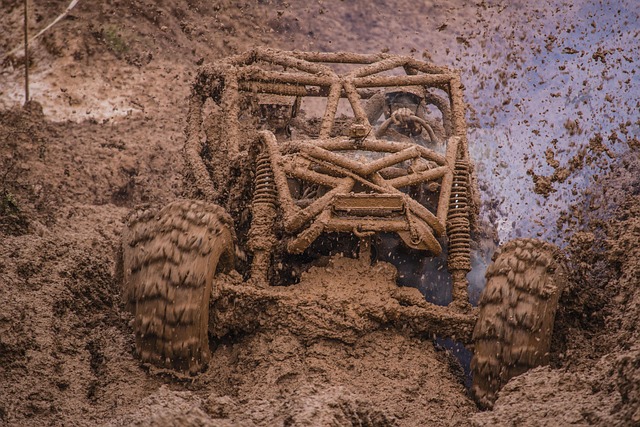
Regular maintenance is key to ensuring your axle assemblies deliver optimal performance and longevity, especially in demanding off-road conditions near Edinburg 4×4 repair shops. One crucial step is keeping an eye on lubrication; regularly inspect and top up the gear oil levels, as underlubrication can lead to excessive wear and potential failure. Additionally, checking for signs of damage or wear on the assembly components, such as cracked or distorted parts, is essential. Early detection allows for prompt replacement, preventing more severe issues.
Another vital maintenance practice involves keeping the axle assemblies clean. Dirt and debris buildup can negatively affect the system’s efficiency. Use appropriate cleaning methods to remove accumulations without causing damage. Remember to check the integrity of all seals and gaskets too, as these play a critical role in maintaining the assembly’s functionality and preventing contamination from entering the drivetrain.
Axle assemblies are vital components of any vehicle, especially off-roaders like the Edinburg 4×4. Regular maintenance and understanding common issues can significantly extend their lifespan. By mastering diagnosis techniques and keeping an eye on potential problems, you’ll ensure optimal performance for your vehicle. When repairs are necessary, following step-by-step guides and choosing the right replacement parts will have your Edinburg 4×4 back on the trail in no time. Remember, proper care and knowledge empower you to tackle these essential repairs, ensuring a smoother, more reliable driving experience.